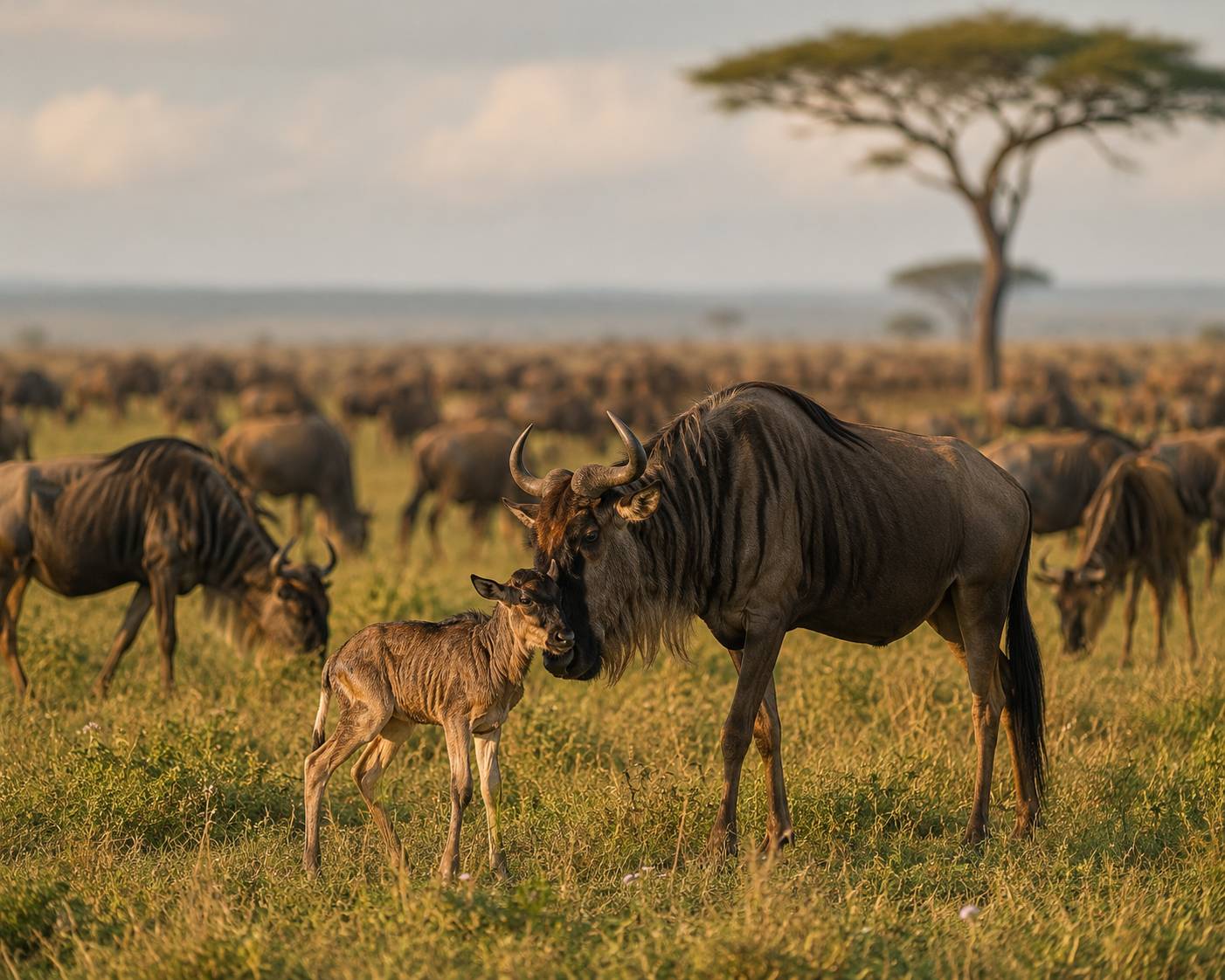
February brings one of Tanzania’s most extraordinary wildlife spectacles. Thousands of wildebeest gather across the Ndutu region during calving season, attracting predators and creating remarkable opportunities for wildlife photography.
This 8-day photography adventure takes us from Ndutu into the Eastern Serengeti and Ngorongoro Crater, with our days designed around wildlife, beautiful light and the opportunity to spend time creating—not rushing from one attraction to another.
Your Adventure at a Glance:
February 19–26, 2027
8 Days / 7 Nights
Limited to 10 Photographers
Ndutu • Serengeti • Ngorongoro Crater
Trip Investment:
$6,495 per person, double occupancy
Single Room Supplement: +$2,100
Standard safari guide and staff gratuities are included.
Day 1 — February 19 Welcome to Tanzania
Arrive at Kilimanjaro International Airport, meet our safari team and transfer to Arusha. Settle into the lodge, enjoy dinner and get ready for the photography adventure ahead.
Day 2 — February 20 Journey to Ndutu
After breakfast, depart with a picnic lunch for the Ndutu region. Our first full safari brings us into the heart of the Great Migration and February calving season, with opportunities to photograph wildebeest, newborn calves and predators.
Day 3 — February 21 Great Migration Photography
A full day in Ndutu photographing the vast herds, wildlife interactions and dramatic African landscapes. Our schedule remains flexible so we can follow the wildlife and take advantage of the best photographic opportunities.
Day 4 — February 22 Wildlife & Calving Season
Another full photography day in Ndutu. Choose between early-morning and late-afternoon drives or a full-day safari based on wildlife activity, light and conditions.
Day 5 — February 23 Into the Eastern Serengeti
Travel toward the Eastern Serengeti with a photography safari along the way. Photograph sweeping landscapes and abundant wildlife as we enter one of Tanzania's great wilderness areas.
Day 6 — February 24 Eastern Serengeti Photography
Spend the day photographing wildlife and landscapes in the Eastern Serengeti. Our guide will position the vehicle with photography in mind while we follow the day's best wildlife opportunities.
Day 7 — February 25 Ngorongoro Crater
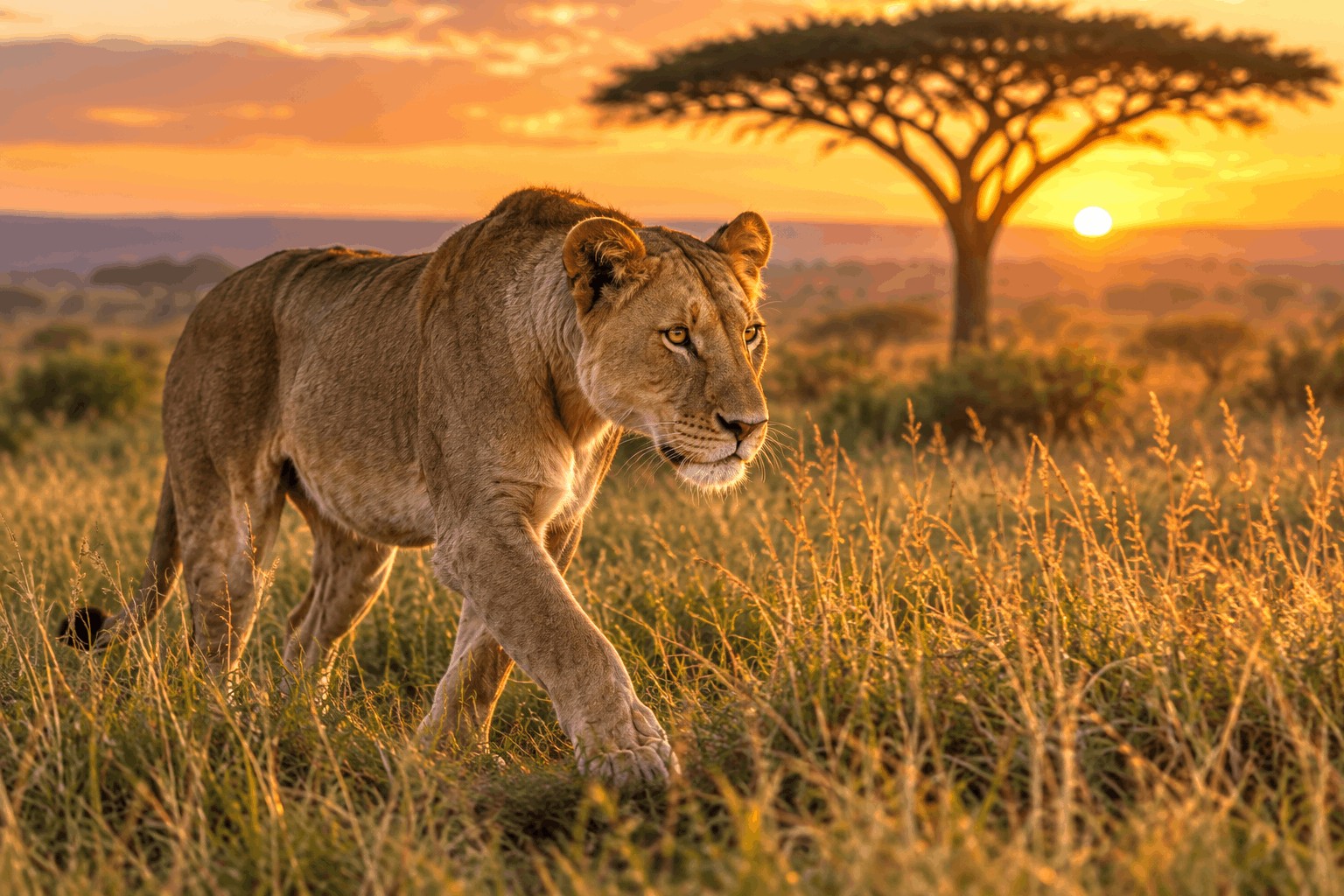
After breakfast, travel to Ngorongoro Crater and descend to the crater floor for an extraordinary day of wildlife photography. Enjoy a picnic lunch in the crater before continuing to Karatu for our final night.
Day 8 — February 26 Farewell Tanzania
Enjoy breakfast before transferring to Kilimanjaro International Airport for your journey home—with memory cards full of photographs and eight days of unforgettable experiences.
Because the difference between a safari and a photography safari is in the details.
Our safari vehicles are arranged with photographers in mind, giving you excellent viewing and shooting opportunities without competing for a position when the action happens.
Vehicles include charging capability and space for photography equipment, so your cameras and batteries can stay ready throughout long days in the field.
Wildlife and great light don’t follow a schedule. Our days remain flexible so our guides can respond to wildlife activity, changing conditions and the best photographic opportunities.
We’ve taken care of the details so you can concentrate on the photography.
Not Included
International airfare • Tanzania visa • Travel insurance • Alcoholic beverages • Personal expenses & laundry • Single-room supplement
Stay & Dine ACCOMMODATIONS & MEALS
7 nights of safari accommodations
Meals as specified in the itinerary
Mineral water during safari drives
Explore SAFARI & TRANSPORTATION
Private 4×4 safari vehicles
Airport transfers
Unlimited game drives
All scheduled safari activities
Photograph PHOTOGRAPHY-FRIENDLY EXPERIENCE
Window seating for photographers
Charging capability in safari vehicles
Space for photography equipment
Experienced safari driver-guides
No Surprise Extras FEES & GRATUITIES
National park entrance fees
Conservation & community fees
Government taxes & VAT
Standard guide & staff gratuities
Everything you need to know about our Tanzania Great Migration Photography Safari.
This adventure is designed for photographers who are comfortable using their own camera, from enthusiastic hobbyists to advanced and professional photographers. You don’t need to be an expert, but you should understand the basic operation of your camera before the trip. This is a photography adventure rather than a classroom-style workshop.
Your safari includes 7 nights of accommodations, meals as specified in the itinerary, private safari transportation, airport transfers, unlimited game drives and scheduled activities, park and conservation fees, mineral water during safari drives, photographer-friendly vehicles, experienced driver-guides, government taxes and standard guide and staff gratuities.
No. International airfare to and from Kilimanjaro International Airport (JRO) is not included. This allows you to choose the airline, departure city, schedule and class of service that work best for you.
Yes, subject to availability. Trip pricing is based on double occupancy. A limited number of single rooms may be available for an additional $2,100.
Yes. Our safari vehicles are arranged with photographers in mind, with window seating so everyone has excellent viewing and photography opportunities. The vehicles also provide charging capability and room for photography equipment.
A DSLR or mirrorless camera with a telephoto lens is strongly recommended for wildlife photography. A second camera body, wider lens for landscapes, extra batteries, memory cards and appropriate camera protection can also be useful. We'll provide a detailed recommended equipment and packing list before departure.
February is an extraordinary time in the Ndutu region, when large numbers of wildebeest gather during the calving season. Depending on wildlife movement and conditions, photographic opportunities may include wildebeest and calves, lions and other predators, elephants, giraffes, zebra, birds and many other species. Wildlife sightings can never be guaranteed.
Most wildlife photography takes place from our safari vehicles, but travelers should be comfortable getting in and out of 4x4 vehicles and navigating lodge and camp grounds, which may include uneven surfaces. We'll provide additional accessibility and activity information before booking.
Yes. Standard gratuities for our safari guides, camp staff and support team are included in your trip price. We don't want you spending the final day of your adventure calculating tips or wondering how much cash you're expected to give. Additional gratuities for exceptional service are always optional and never expected.
For now, I'd leave this question off the live page until you speak with IMG. Then we'll write the answer based on exactly what insurance structure you decide to use.
International airfare, Tanzania visa fees, travel insurance, alcoholic beverages, laundry and other personal expenses, and the optional single-room supplement are not included unless specifically stated otherwise.
I would hold this answer until we establish your deposit amount, payment schedule and cancellation policy. Then this should become one of the most prominent FAQs.
YOUR TANZANIA ADVENTURE AWAITS
8 days. 10 photographers. One extraordinary wildlife photography adventure.February 19–26, 2027